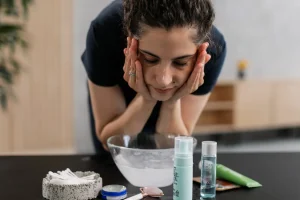
Acne-Safe Skincare and Makeup Routines for Transgender and Gender-Diverse Individuals on Hormone Therapy
5 min readLet’s be real: hormone therapy is a profound, affirming journey. But for many—whether you’re on testosterone or estrogen—it can feel like a second puberty, and that often means dealing with skin that suddenly feels unfamiliar. Acne, oiliness, dryness, and sensitivity can pop up, adding an extra layer of frustration to an already intense process.
Here’s the deal: your skin is changing because your hormonal landscape is shifting. That’s normal. But that doesn’t mean you just have to live with it. Building a simple, effective, and acne-safe routine is totally possible. It’s not about fighting your skin, but working with it. Let’s dive in.
Why Hormone Therapy Throws Your Skin for a Loop
Think of hormones like internal messengers giving your skin new instructions. For folks on testosterone (often part of masculinizing hormone therapy), the increase in androgens typically amps up sebum (oil) production. More oil can mean clogged pores and, you guessed it, inflammatory acne, often along the jawline and back.
For those on estrogen (often part of feminizing hormone therapy), the shift can be different. Estrogen can improve skin thickness and hydration, which is great. But the process of suppressing testosterone can sometimes cause an initial “purge” or imbalance. Plus, the skin might become more sensitive or prone to dryness—even while dealing with breakouts. It’s a confusing mix, honestly.
The Core Pillars of an Acne-Safe Routine
No matter your path, three steps are non-negotiable: Cleanse, Treat, Moisturize. And a fourth, Protect (with sunscreen), is the ultimate skin-saver. Sunscreen prevents post-acne dark spots and protects your skin barrier—a must when using any treatment products.
Building Your Acne-Safe Skincare Routine
Okay, so what does this actually look like on your bathroom shelf? Simplicity is key. Overloading your skin with ten new products will likely backfire.
Morning Routine: The Protective Shield
1. Gentle Cleanser: A simple, non-foaming or low-foaming cleanser. Look for words like “hydrating” or “cream.” You don’t need to strip your skin squeaky clean; that just tells it to produce more oil.
2. Lightweight Moisturizer: Yes, even if you’re oily. Dehydrated skin overcompensates with oil. A gel-based or oil-free moisturizer with ingredients like hyaluronic acid or niacinamide is perfect. Niacinamide is a superstar—it calms inflammation and regulates oil.
3. Sunscreen (The Non-Negotiable): A mineral (zinc oxide/titanium dioxide) or chemical sunscreen, SPF 30 or higher. Mineral options are often less irritating for sensitive, acne-prone skin. Look for “non-comedogenic” on the label.
Evening Routine: The Reset Button
This is where the real work happens, especially for managing acne-prone skin.
1. Double Cleanse (if wearing makeup/sunscreen): First, use a micellar water or a gentle cleansing oil to dissolve makeup and sunscreen. Then, follow with your regular gentle cleanser. This ensures pores are truly clear without harsh scrubbing.
2. Treatment (The Active Step): This is your targeted product. Apply it to dry skin after cleansing. Don’t use all these at once—rotate or choose one based on your need.
- Salicylic Acid (BHA): A pore-declogger. Excellent for blackheads and whiteheads. Think of it as a deep-clean for your pores.
- Adapalene Gel (Differin): A retinoid available over-the-counter. It’s gold-standard for preventing clogged pores and calming inflammation. Start slow—2-3 nights a week—and buffer with moisturizer to avoid irritation.
- Azelaic Acid: A fantastic multi-tasker. It tackles redness, kills acne bacteria, and helps with post-inflammatory hyperpigmentation (those dark marks left after a pimple). Great for sensitive skin.
3. Moisturizer: A slightly richer one at night is okay, but still aim for non-comedogenic. Your skin repairs itself while you sleep, and a good moisturizer supports that barrier.
Makeup That Lets Your Skin Breathe
Makeup can be a powerful tool for gender expression and also for covering acne. The trick is choosing products that won’t sabotage your skincare efforts. You know, that whole “non-comedogenic” thing is your best friend here.
Primer is Your Prep: A mattifying or pore-blurring primer can create a smooth canvas and help makeup last longer, meaning less need for touch-ups that can clog pores.
Foundation & Concealer: Lightweight, breathable formulas are key. Mineral powder foundations are inherently non-comedogenic and offer buildable coverage. For liquids, look for oil-free and “skin-like” or “serum” foundations. For concealer, a small, precise applicator lets you spot-treat without smothering your whole face.
| Product Type | What to Look For | What to Avoid |
| Primer | Silicon-based for pore-blurring, oil-free | Heavy, greasy formulas |
| Foundation | Mineral powder, oil-free liquid, “non-comedogenic” | Thick, full-coverage creams (daily), products with coconut oil |
| Concealer | Salicylic acid-infused, precise applicator | Super-dense, waxy sticks |
| Removal | Micellar water, cleansing balm/oil | Harsh wipes, scrubbing |
And the most important step? Gentle, thorough removal every single night. Sleeping in makeup is a surefire way to wake up with new friends on your face.
Navigating Sensitivity and Other Changes
Skin on hormone therapy can be… moody. One day it’s fine, the next it’s red and reactive. If you’re experiencing new sensitivity or dryness (common with estrogen), dial back the active treatments. Swap to a fragrance-free, ultra-gentle routine for a few days. Ingredients like centella asiatica and ceramides become your best allies for calming and repair.
For body acne (so common with testosterone), use a body wash with salicylic acid or benzoyl peroxide in the shower. And wear clean, loose-fitting clothes when you can—let your skin breathe.
Patience, Not Perfection
This is the part that’s hardest to hear, but it’s true: your skin needs time to adjust. Just like your journey, your skincare routine is a process of trial and observation. What works for someone else might not work for you. Introduce one new product at a time, wait a couple of weeks, and see how your skin responds.
And if your acne is severe, painful, or cystic, there’s zero shame in seeking help. A dermatologist who is affirming of transgender healthcare can be an incredible partner. They can offer prescription-strength solutions that truly match the intensity of hormonal shifts.
In the end, your skincare routine is a form of self-care that mirrors your larger journey. It’s about listening, adapting, and offering kindness to the skin you’re in—even on the days it feels complicated. Because that skin is a part of you, changing and becoming, one gentle cleanse at a time.